



The line at the Wendy’s drive-thru barely moved as Hailey Richards sat behind the wheel during her lunch break, staring into the rear-view mirror beneath a pair of dark sunglasses. The driver behind her had pulled close enough that she found herself wondering whether they could tell she was crying.
“I just broke down,” Richards said.
In a few minutes, she would wipe away the tears, drive back to the Department of Veterans Affairs hospital where she worked as a nurse and finish caring for veterans.
At the time, she couldn’t explain why an ordinary Tuesday afternoon had become the moment everything surfaced. Looking back, she doesn’t think it was about that day at all.
Richards became a nurse because she wanted to care for veterans. She loved listening to stories about their coffee mugs no one dared wash because years of coffee had seasoned them just right. Albert, a Vietnam War veteran, actually got her to drink from his mug one morning after repeatedly assuring her the taste was like no other.
She listened to their sea stories, anecdotes about deployments, friendships and losses that still lingered decades after the uniforms came off.
More recently, the moments that stick in her memory look different.
She thinks about the veteran who apologized for asking again for pain medication that hadn’t arrived long after it should have. The patient left staring at the ceiling while a call light continued to flash. The conversation that ended before she wanted it to because another veteran couldn’t wait any longer.
None of those moments would make a government report. Taken together, Richards says, they have changed what it feels like to care for veterans inside the VA.
For many of the 9 million veterans enrolled in VA health care, those moments are largely invisible. Patients may notice a delayed medication, a longer wait for help or a hurried bedside conversation. What they don’t see are the decisions nurses say happen behind the scenes when there isn’t enough time to do everything they believe their patients need.
Richards’ experience is unfolding against a backdrop of persistent staffing challenges across the Veterans Health Administration.
In its fiscal 2025 workforce assessment, the VA Office of Inspector General found that all 139 VA medical centers reported at least one severe occupational staffing shortage. Nearly four in five facilities identified nursing among those shortages, and facilities collectively reported 4,434 severe occupational staffing shortages across clinical and nonclinical occupations, a 50% increase from the previous year.
RELATED
The report does not measure nurse vacancy rates. Instead, it asks each VA medical center to identify occupations where recruiting or retaining staff has become difficult enough to affect operations or patient care. While vacancy reports estimate open positions.
The Inspector General’s review measures where facilities say staffing shortages are severe enough to interfere with their mission.
A series of tradeoffs
Richards says the hardest part of working inside the VA isn’t the pace; it’s knowing that no matter how quickly she moves, there are moments when she cannot be everywhere veterans need her to be.
A medication is due in one room while another veteran presses the call light for help getting to the bathroom. A family member has questions about a discharge plan. Another patient needs wound care.
The work itself isn’t unusual. What changes, Richards says, is the constant calculation of what can wait.
“You prioritize the sickest patient first,” she said. “But that doesn’t mean everyone else stops needing you.”
Those are the moments she carries home.
“You replay your day,” Richards said. “You think about the things you couldn’t do, not because you didn’t want to, but because there wasn’t enough time.”
RELATED
Richards is careful to separate those experiences from the quality of care veterans ultimately receive. She says nurses continue to work together, adjust priorities and step in for one another to make sure patients remain safe. But safety and the kind of care nurses aspire to provide are not always the same thing.
Moral distress
For decades, nursing ethicists have studied the consequences of caring for patients when clinicians believe they know the appropriate course of action but lack the time, staffing or resources to carry it out.
In 1984, philosopher and nursing scholar Andrew Jameton introduced the term moral distress to describe that experience. Since then, researchers have expanded the concept beyond individual ethical dilemmas to include the organizational conditions that repeatedly force clinicians to compromise the care they believe patients deserve.
Ann Hamric, leading moral distress researcher, has argued that the problem is not simply exposure to difficult situations. It arises when institutional constraints prevent clinicians from acting in accordance with their professional judgment.
Repeated over time, she and other researchers have found, those experiences can leave a lasting psychological burden, sometimes referred to as “moral residue.”
More recently, nursing ethicist Cynda Rushton has described moral distress as a signal that something within the care environment is preventing clinicians from practicing in ways that align with their professional and ethical commitments.
Rather than viewing it as an individual failing, her work frames it as evidence of tension between the demands of the health care system and the standards clinicians strive to uphold.
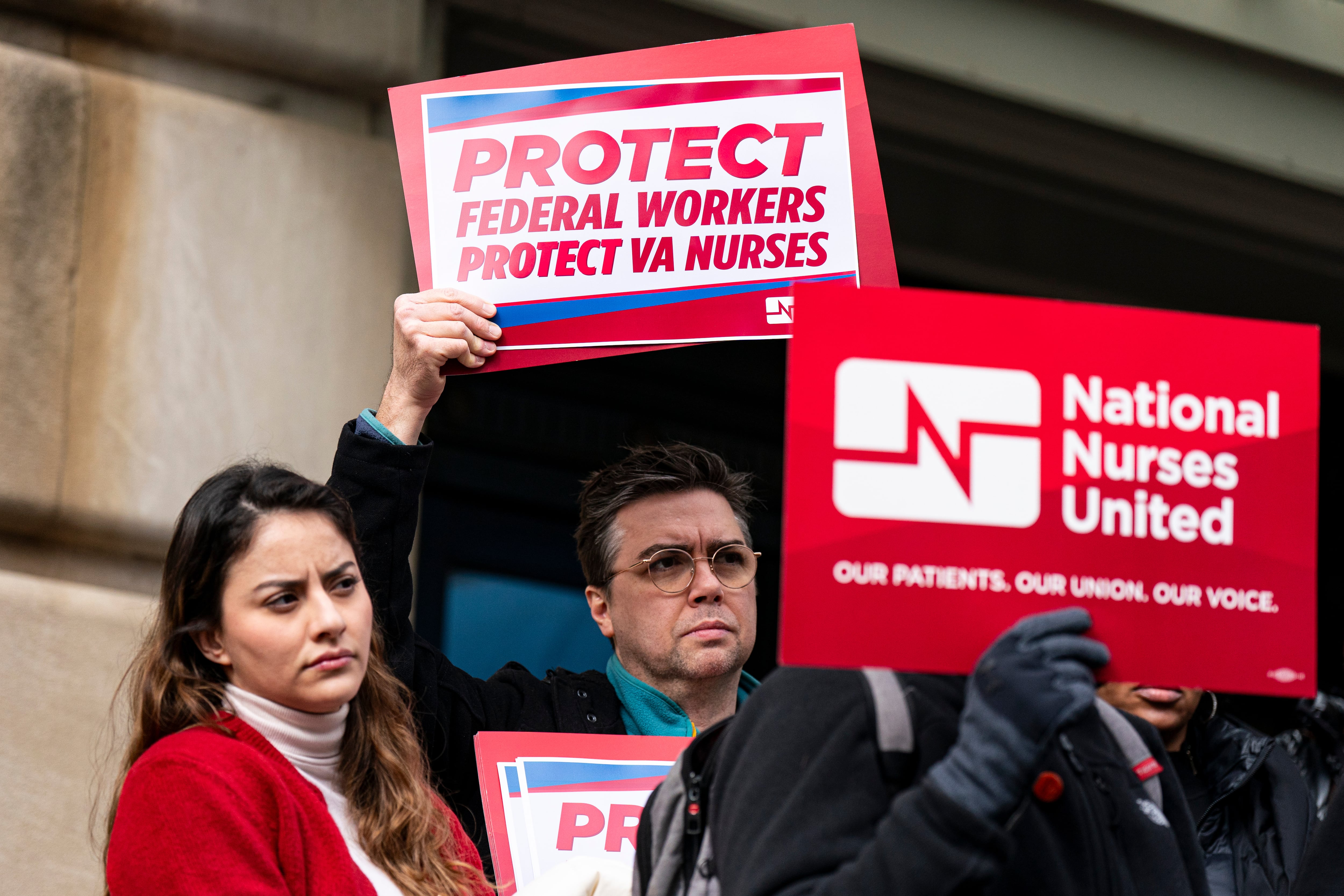
Richards had never heard the term when she began questioning whether she was providing veterans the care they deserved. But she immediately recognized the experience it describes.
Richards still thinks about sobbing in that Wendy’s drive-thru. She recalls wishing someone would notice and offer her some kind of relief.
At the time, she couldn’t explain why she had broken down in the middle of an ordinary lunch break. Now she can.
Hailey says there was no single shift that convinced her something had changed. It happened gradually, one decision at a time.
She began replaying her days after she got home, wondering whether she had missed something, whether she could have spent another five minutes with a veteran who seemed anxious or answered one more question before leaving the room.
“I love taking care of veterans,” Richards said. “That’s what makes it so hard to deal with being short staffed, we know our veterans deserve better.”
Read the full article here