



An important part of surviving a major disaster – one that could lead to a societal collapse – is having a bug out location. Building a stockpile of food and supplies in your home (your “bug in” spot) is essential, but in some disaster scenarios, you may have to leave your main residence.
This departure may be because your family is in danger from natural or human-caused events. A bug out location (BOL) then is a safe place you can go when you must evacuate.
A BOL can be a temporary shelter or a permanent one. It can be a house, an apartment, a cabin, or a tent. For the purpose of this article, we will focus on the location of your BOL rather than the type of structure. How do you choose an away-from-home place of safety for your family?
Here are 10 factors to consider in finding the perfect bug out location.
Want to save this post for later? Click Here to Pin It On Pinterest!
1. Distance
When considering the miles your BOL is from your home, you may first think it needs to be as far away as possible. If your thinking goes in this direction, however, you are forgetting an important question: How will you get there quickly in an emergency?
If you will be driving to your BOL, it is a good idea to choose somewhere you can get to on one tank of gasoline. If it is further away than that, you will need to bring extra gas with you. Filling up at the gas station may not be an option. If you plan to walk to your destination, it should not be more than 60 miles away.
That distance often will get you far enough away from an urban center without taking too much time, energy, and drain on supplies. At a walking rate of 12 miles a day, 60 miles will take you five days.
Whatever method of transportation you use, be sure to keep in mind that you will need to carry your bug out bag with you. This bag should be prepared in advance as much as possible and ready to quickly grab as you are heading out.
Remember that during an emergency, roads may be crowded or even shut down. It is a good idea to choose a BOL that can be accessed by two or more routes.
2. Concealment
The next factor to consider is the safety and seclusion of your retreat. You will want your location to be difficult to find. In other words, your BOL should not be easily glimpsed from the road or any well-traveled paths or tracks.
Trees can be an excellent camouflage both from the ground and from the air. Keep in mind that you also will need to prevent your fire or your lights from being seen.
If your survival spot is challenging to get to for your family, chances are better that someone else won’t stumble upon it. You should not have address markers, signs, or numbers at the entrance. If you have an entrance gate, make sure it is non-descript and keep it closed and locked.
As you consider the location’s concealment, also think about its defensibility. For example, will you be able to see anyone coming your way before they see you? Do you have an escape route if your family is threatened?
3. Water
Finding a concealed spot that has water nearby adds a new wrinkle to this decision. However, having access to fresh water doesn’t mean you have to live on the banks of a river or pond. Your BOL can be in a spot that easily gets run-off water or has accessible groundwater through a well. Look for a place that has a year-round water source since you do not know how long you will have to be there.
A running water source if optimal in that it might serve to generate power for your BOL. Water-loving trees, such as willows and sycamores, and plants, such as reeds or cattails, can be good signs that water is nearby.
Remember that you will need water not just for drinking but for cooking and cleaning as well. The recommended minimum amount of water per person per day is one gallon for drinking, basic hygiene, and simple food preparation. If you are thinking about purchasing a survival property, here are some questions to ask concerning water:
- Can you access water that is independent of any municipal supply?
- What water sources are on the property and will you own rights to that water?
- Is the water supply renewable and year-round?
- What are the options for catching rainwater?
- Is there the possibility of a pond or a cistern?
4. Self-Sufficiency
Even if you are able to stock supplies ahead of time at your BOL, you will need to plan for long-term self-sufficiency. In addition to a water supply, here are other items for a self-sufficiency checklist:
- Sunlight for solar power and gardening
- Soil for gardening
- Firewood for heating and cooking
- Food and space for raising livestock
- Wild game for hunting
- Fishing opportunities
5. Natural Threats
You don’t want to move from one danger zone to another. Find a BOL that is relatively safe from the risk of wildfire, hurricanes, flooding, tornadoes, and hurricanes. For example, ensure you are not bugging out in a floodplain or in an area that is prone to landslides. Also, learn about any dangerous wildlife that lives in the area and way to protect yourselves from them.
Research how your BOL’s climate will affect your ability to grow food and obtain resources throughout the year. If you are near a town or city, examine crime statistics within a 50-mile radius of your location.
6. Regulations
Before you buy anything, research the area’s zoning laws and land use restrictions. Is the property zoned for residential, agricultural, or something else? Can you legally live there full-time? Are you allowed to build off-grid structures like composting toilets, solar arrays, or rainwater catchment systems? In some places, you might be required to hook into the electrical grid even if you don’t intend to use it.
You’ll also want to find out whether you can raise livestock, install a septic system, or even dig a well. Some rural areas have surprisingly strict rules about animal husbandry, fencing, outbuildings, and even the number of dwellings allowed. There may be permitting requirements for simple structures like sheds or root cellars.
Always check with the county planning office or local building department. Ask about zoning maps, floodplain boundaries, easements, road maintenance responsibilities, and any HOA or deed restrictions that may exist. Ideally, you want a location with minimal oversight and flexible land use rules, but don’t assume rural means lawless.
Before finalizing any property, try to learn who your neighbors are and what the community is like. Are there local ordinances or homeowner‑association (HOA) rules? Is the area used seasonally (hunting cabins, vacation properties) or permanently inhabited?
Having trusted neighbors or allies nearby can offer benefits like shared security, mutual aid, trading supplies, or backup in emergencies. On the flip side, being isolated may mean you must be entirely self-reliant. Consider whether you’re really comfortable with that.
If possible, visit the area at different times (day/night, different seasons), and try talking to locals. Learn the rhythms, quirks, and any “unwritten rules.”
8. Climate
Before committing to a bug out location, take a close look at the local climate and the types of natural disasters common to that region. Has the area flooded in the past? Are there rivers, creeks, or low-lying areas nearby that could overflow during heavy rains or snowmelt?
On the flip side, is the land prone to drought, with dried-up wells and parched soil during the summer? Research historical weather data and ask locals. Some areas look safe until the 100-year flood finally hits.
Wildfires are another growing threat, especially in wooded or mountainous regions with dry seasons. If your bug out location is surrounded by forest, ask yourself: how easy would it be to create defensible space? Would you have time to evacuate if a fire moved in fast?
The same goes for other region-specific threats: tornadoes in the Midwest, hurricanes along the Gulf Coast or Southeast, extreme winter storms in the North, or scorching heat in desert regions.
At the same time, don’t ignore seasonal patterns. A short growing season, freezing winters, or blistering summers can all affect your ability to grow food, store supplies, and live comfortably off-grid. Try to visit the area during different times of year to see how conditions change.
9. Shelter
A tent may be fine for a short stay, but what are your options for building long-term housing in this location? How will you get it there? Some ideas for a bug out shelter include:
- Log cabin
- Earthship
- Shipping container
- Underground shelter
- Recreational vehicle
- School bus
- Tiny house
10. Waste Management
Not a fun subject to talk about, but a long-term BOL needs a plan for a latrine. Does your place have a likely spot that is a minimum of 50 yards away from your water source and is both downhill and downwind of your shelter?
The latrine bottom needs to be at least six feet above the water table. Your latrine should be in a discreet location shielded by bushes, trees, or stone. Additionally, a supply of dirt should be nearby so that waste can be covered.
11. Other Safety Considerations
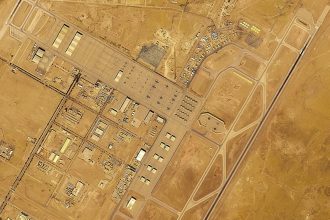
Since survival situations come in many forms, you may want to choose a spot that is not near military bases, communication centers industrial plants, mines, transportation centers, strategic businesses or other forms of critical infrastructure.
Although our headline uses the word “perfect,” there really is no perfect bug out location. Everyone’s needs are different. You should choose an evacuation spot based upon your budget, the size of your family and the area in which you live. The survival skills you already possess also should play a part in your selection.
With natural disasters seeming to be on the rise and political unrest always brewing, having a place of safety can provide you with valuable peace of mind. If after reading this list, you still don’t know where to begin your search for property, try using MapQuest and Google Earth to see what is available within a two- or three-hour drive from your home. If you find an area that looks promising, your next step is to visit the location.
In many rural locations, realtors specialize in survival properties. You can begin with Zillow or realtor.com. Take the time to think about your family’s needs and wants before making your decision. While safety is your primary concern, you should choose a location that also appeals to you under pleasant circumstances.
12. Reality Check: No BOL Is Perfect, And Preparation Means Trade‑offs
It’s tempting to imagine your BOL as a fortress: perfect water, endless food, total isolation, and self‑sufficiency forever. But the reality is almost always compromises. Even the best‑chosen piece of land will have drawbacks. For example, a short growing season, soil that needs amendment, a well that sputters in a drought, or no natural protection from extreme weather.
The goal isn’t perfection: it’s resilience, flexibility, and adaptability. Plan for contingencies. Maintain multiple backup plans (alternative water sources, rotated food stores, diversified skill sets, multiple access routes, and fallback “bug‑in” or social‑network support). Your BOL should make survival easier, not be a fantasy of unchanging safety.
Here are some great books that can help you choose the right bug out location for your family.
Like this post? Don’t Forget to Pin It On Pinterest!

Read the full article here