

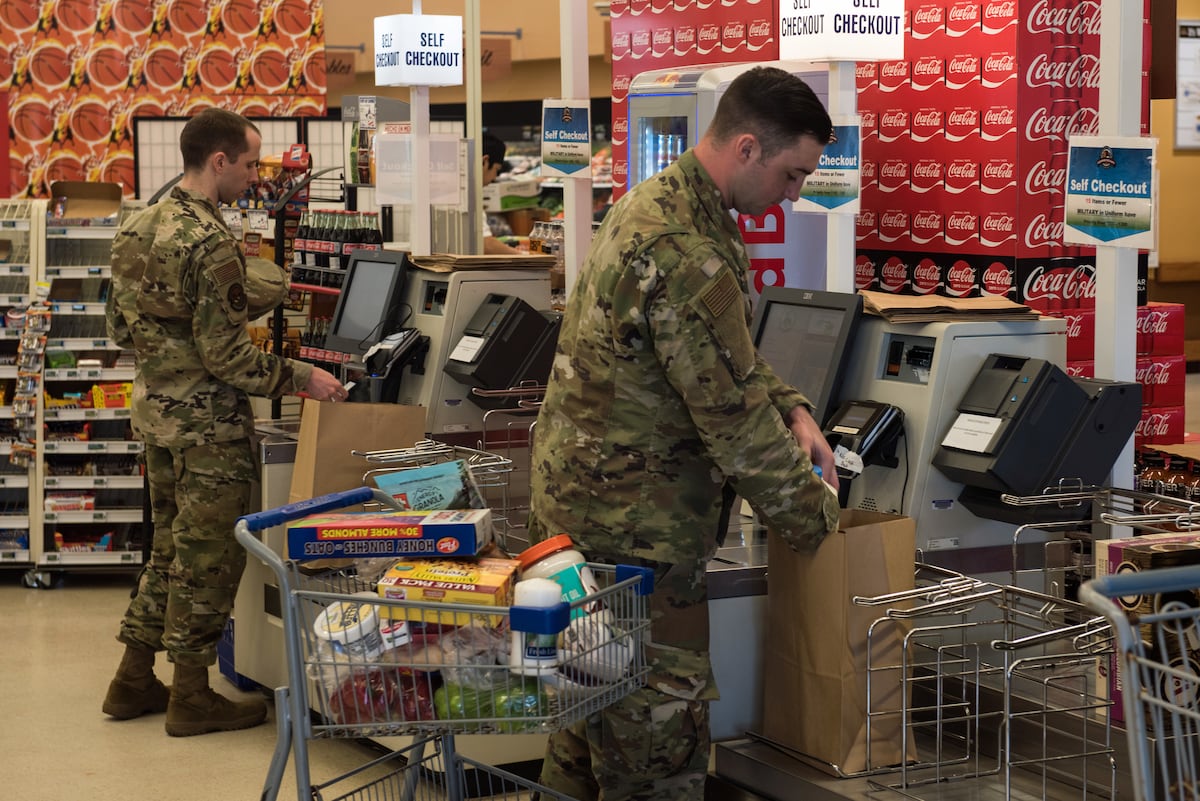

For soldiers stationed in some of the world’s most expensive areas, an important financial buffer meant to offset high prices may not always reflect the cost of living, a government watchdog found.
The Department of Defense uses location-specific surveys and price and military spending data to set cost-of-living allowances, known as COLAs. In a report released on Thursday, the Government Accountability Office found that the department used a mix of unsound sampling practices and inconsistent processes to set COLAs, raising questions about whether payments reflect local expenses.
Service members stationed in places like Hawaii, Japan, Alaska, Germany and Virginia — where the cost of living is often higher — receive COLA, or additional payments, to help offset costs. The total amount a service member receives is also based on the number of dependents in the household.
The vast majority of those payments, the GAO said, are sent to soldiers stationed outside of the continental U.S., or OCONUS, versus those stationed inside the continental U.S., CONUS. The watchdog highlighted inconsistencies between how the department calculated COLA payments for OCONUS versus CONUS duty locations.
The auditors also found discrepancies in the amount of and type information local commands provided soldiers in areas that receive COLA, and in some cases, service members reported confusion about what they were entitled to or why it might change.
In the report, investigators noted that some Defense Department personnel said changes to COLA payments made it hard for them to budget for their households.
“In nine of the 17 discussion group summaries we held in locations that receive a COLA, participants mentioned that COLA fluctuates so much that they cannot rely on it as part of their budgets,” the report said, later giving an example where a high-ranking officer in Japan linked issues with COLA to problems with readiness.
“Eating a beans and rice diet has a direct impact on our ability to fight,” he told auditors.
The office included several recommendations for the Defense Department to fix its findings, including aligning the CONUS and OCONUS payments for dependents and applying its processes for location-specific costs more consistently.
The Defense Department concurred with both recommendations, but did not agree with a separate suggestion to use random sampling for service member’s shopping patterns.
The auditors also recommended requiring local commands to give information about COLA to service members, a suggestion the department only “partially concurred with,” arguing that the Defense Travel Management Office maintains publicly available information and that the department does not have a central point of contact for COLA inquiries.
Eve Sampson is a reporter and former Army officer. She has covered conflict across the world, writing for The New York Times, The Washington Post and The Associated Press.
Read the full article here