

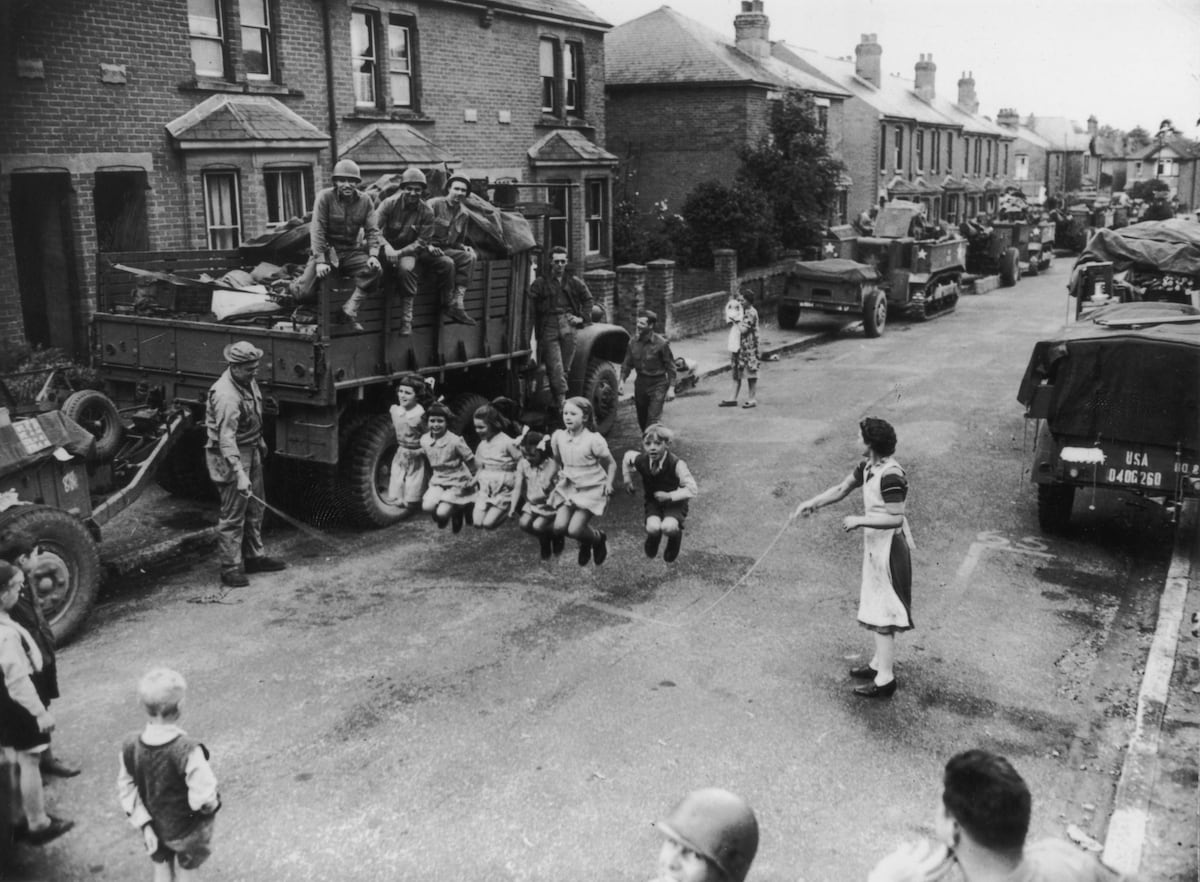

“Don’t try to tell the British that America won the last war or make wise-cracks about the war debts or about British defeats in this war,” came the sage advice from the U.S. War Department in 1942.
A then-seven-page pamphlet, issued to American GIs about to travel overseas to Britain, was intended to ease any friction between the young servicemen and the local populace.
According to librarian John Pinfold who wrote the subsequent introduction, the pamphlet, dubbed “Instructions for American Servicemen in Britain 1942,” attracted quite a bit of attention in Britain.
An editorial in the London Times on July 14, 1942, suggested that it “ought to be acquired by British readers in quantities unequalled even by the many works of Edgar Wallace or Nat Gould.”
“None of their august expositions” the author continued, “has the spotlight directness of this revelation of plain common horse sense understanding of evident truths.”
The succinct, direct view of how the British were seen by outsiders presents a unique snapshot of the nation’s character — and while instructive at the time, certainly lends itself to some present-day laughs.
Here’s just a small selection of “insightful” advice from the pamphlet:
- “BRITISH RESERVED, NOT UNFRIENDLY.”
- “The British have phrases and colloquialisms of their own that may sound funny to you. You can make just as many boners in their eyes.”
- “THE BRITISH ARE TOUGH. Don’t be misled by the British tendency to be soft-spoken and polite… The English language didn’t spread across the oceans and over the mountains and jungles and swamps of the world because these people were panty-waists.”
- “You will quickly discover differences that seem confusing and even wrong. Like driving on the left side of the road, and having money based on an ‘impossible’ accounting system and drinking warm beer.”
- “The British are beer-drinkers — and can hold it. The beer is now below peacetime strength, but can still make a man’s tongue wag at both ends.”
- “You will naturally be interested in getting to know your opposite number, the British soldier, the ‘Tommy’ you have heard and read about. You can understand that two actions on your part will slow up the friendship — swiping his girl, and not appreciating what his army has been up against.”
- “KEEP OUT OF ARGUMENTS. You can rub a Britisher the wrong way by telling him ‘we came over and won the last one.’ … Neither do the British need to be told that their armies lost the first couple of rounds in the present war. We’ve lost a couple, ourselves, so do not start off by being critical of them and saying what the Yanks are going to do.”
- “The British don’t know how to make a good cup of coffee. You don’t know how to make a good cup of tea. It’s an even swap.”
- “The British will welcome you as friends and allies. But remember that crossing the ocean doesn’t automatically make you a hero. There are housewives in aprons and youngsters in knee pants in Britain who have lived through more high explosives in air raids than many soldiers saw in first class barrages in the last war.”
- “Don’t show off or brag or bluster — ‘swank’ as the British say. If somebody looks in your direction and says ‘He’s chucking his weight about’ you can be pretty sure you’re off base. That’s the time to pull in your ears.”
- “It is always impolite to criticize your hosts. It is militarily stupid to insult your allies.”
Claire Barrett is an editor and military history correspondent for Military Times. She is also a World War II researcher with an unparalleled affinity for Sir Winston Churchill and Michigan football.
Read the full article here