

A new rotation of U.S. Marines in the Philippines suggest the force may be maintaining a more continuous presence in the country.
A command element from I Marine Expeditionary Force replaced the 15th Marine Expeditionary Unit on March 31, the Marine Corps said in a statement, continuing the Marine Rotational Force-Southeast Asia, or MRF-SEA, mission in the Philippines.
This rotation “places greater emphasis on persistent integration with the Armed Forces of the Philippines and Philippine Marine Corps than previous rotations,” according to Capt. MacKenzie Margroum, a communications officer for the mission. She added that “the current command element will remain for a standard rotation, with follow-on forces continuing this effort alongside their Philippine counterparts.”
The MRF-SEA has traditionally deployed across different countries in the region for joint exercises and training. The increased focus on the Philippines comes as the United States deepens defense ties with the country.
The United States and the Philippines last year stood up a joint task force aimed at improving coordination and helping the allies respond more quickly to Chinese activity in the South China Sea. The move, according to the U.S. Secretary of Defense, Pete Hegseth, represents an effort to shore up deterrence in the region.
The Army in 2025 quietly established a small rotational force in the Philippines, designed to maintain a more sustained presence and improve coordination with local forces. The United States and the Philippines have also moved to increase deployments of advanced missile systems in the country.
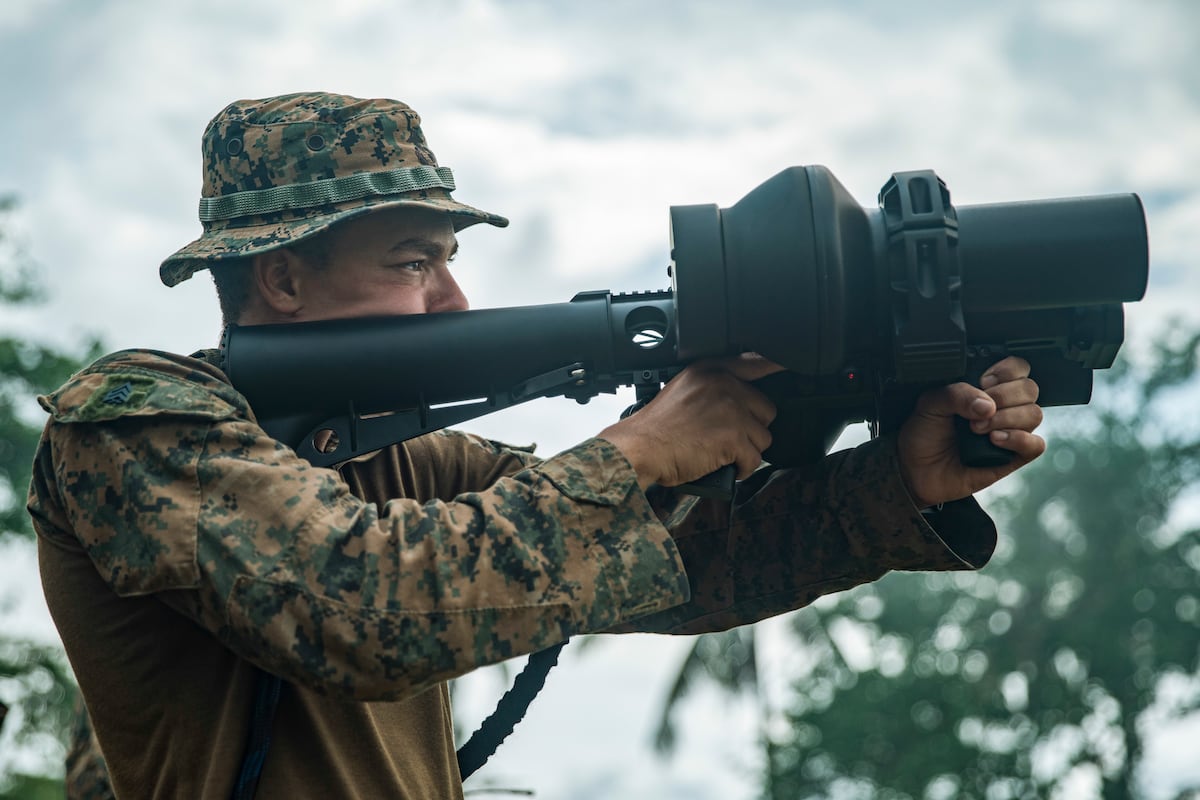
The Marine Corps said the current rotation is focused on training alongside Philippine forces to improve coordination between U.S. forces and the Armed Forces of the Philippines, or AFP, and strengthen the country’s defenses.
“This iteration of MRF-SEA reflects a deliberate shift from presence to presence with purpose,” Col. Robert S. Bunn, the new rotation’s commander said, adding, “We are integrating with the AFP to strengthen combined capabilities, enable faster response in crisis, and contribute to a credible, forward posture in the Indo-Pacific.”
Eve Sampson is a reporter and former Army officer. She has covered conflict across the world, writing for The New York Times, The Washington Post and The Associated Press.
Read the full article here