



NEWYou can now listen to Fox News articles!
Google designed Fast Pair to make Bluetooth connections fast and effortless. One tap replaces menus, codes and manual pairing. That convenience now comes with serious risk. Security researchers at KU Leuven uncovered flaws in Google’s Fast Pair protocol that allows silent device takeovers. They named the attack method WhisperPair. An attacker nearby can connect to headphones, earbuds or speakers without the owner knowing. In some cases, the attacker can also track the user’s location. Even more concerning, victims do not need to use Android or own any Google products. iPhone users are also affected.
Sign up for my FREE CyberGuy Report
Get my best tech tips, urgent security alerts, and exclusive deals delivered straight to your inbox. Plus, you’ll get instant access to my Ultimate Scam Survival Guide — free when you join my CYBERGUY.COM newsletter.
APPLE WARNS MILLIONS OF IPHONES ARE EXPOSED TO ATTACK
What WhisperPair is and how it hijacks Bluetooth devices
Fast Pair works by broadcasting a device’s identity to nearby phones and computers. That shortcut speeds up pairing. Researchers found that many devices ignore a key rule. They still accept new pairings while already connected. That opens the door to abuse.
Within Bluetooth range, an attacker can silently pair with a device in about 10 to 15 seconds. Once connected, they can interrupt calls, inject audio or activate microphones. The attack does not require specialized hardware and can be carried out using a standard phone, laptop, or low-cost device like a Raspberry Pi. According to the researchers, the attacker effectively becomes the device owner.
Audio brands affected by the Fast Pair vulnerability
The researchers tested 17 Fast Pair compatible devices from major brands, including Sony, Jabra, JBL, Marshall, Xiaomi, Nothing, OnePlus, Soundcore, Logitech and Google. Most of these products passed Google certification testing. That detail raises uncomfortable questions about how security checks are performed.
How headphones can become tracking devices
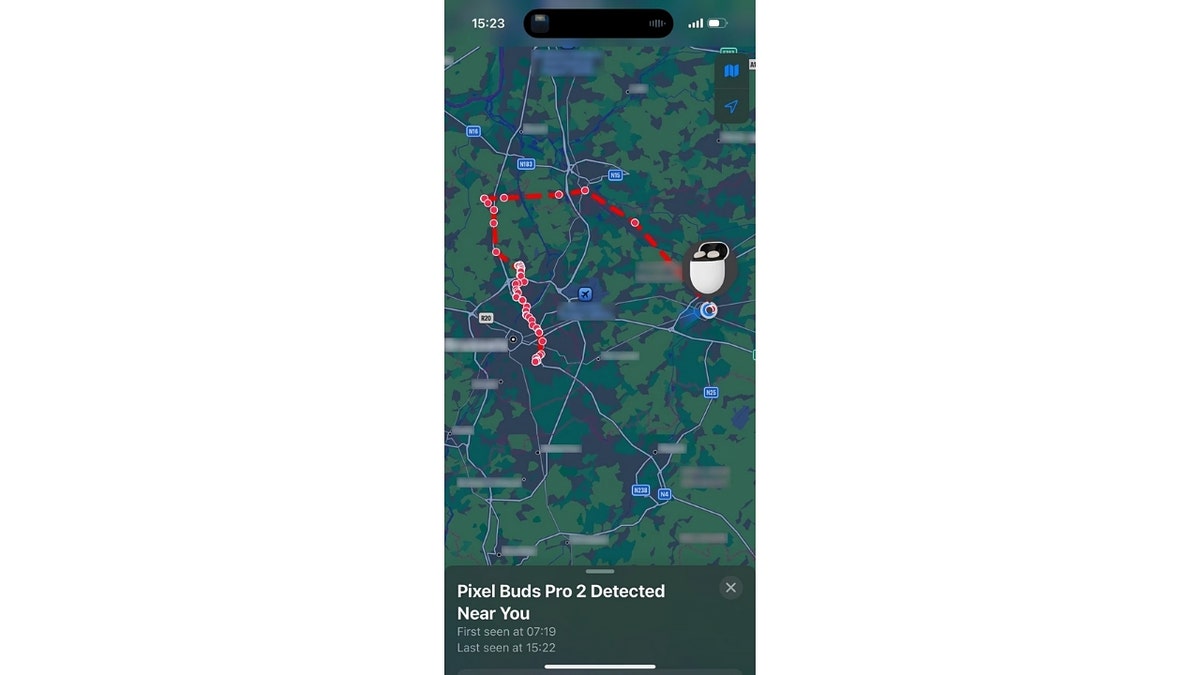
Some affected models create an even bigger privacy issue. Certain Google and Sony devices integrate with Find Hub, which uses nearby devices to estimate location. If a headset has never been linked to a Google account, an attacker can claim it first. That allows continuous tracking of the user’s movements. If the victim later receives a tracking alert, it may appear to reference their own device. That makes the warning easy to dismiss as an error.
GOOGLE NEST STILL SENDS DATA AFTER REMOTE CONTROL CUTOFF, RESEARCHER FINDS
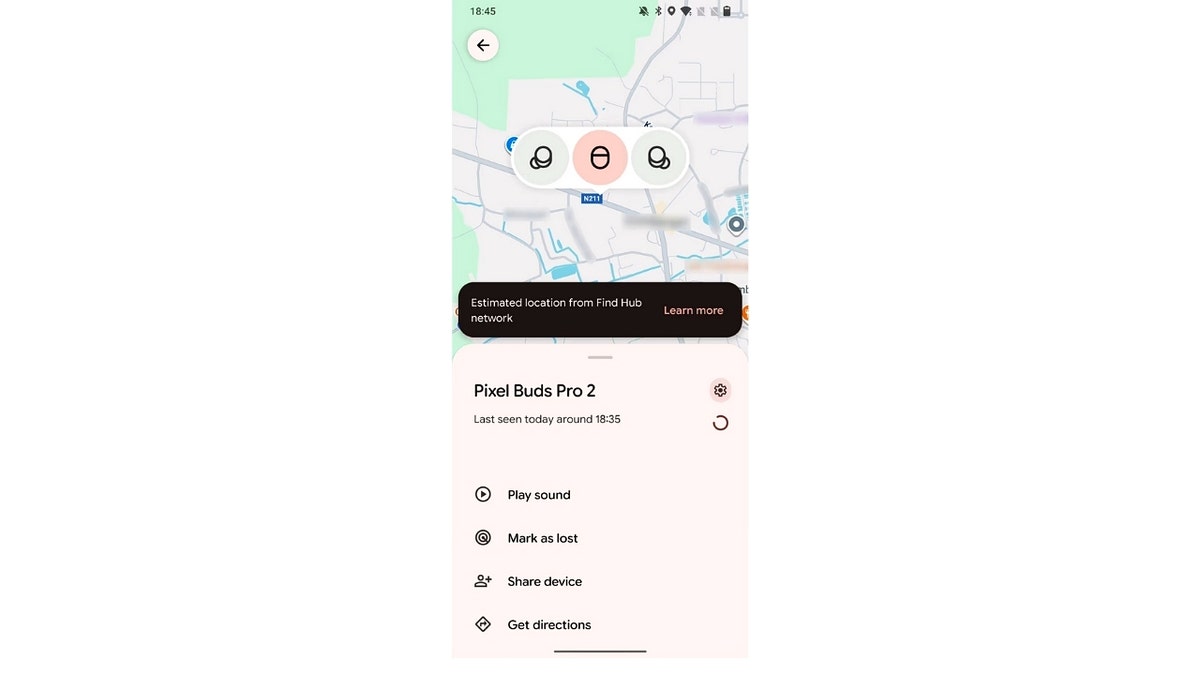
Why many Fast Pair devices may stay vulnerable
There is another problem most users never consider. Headphones and speakers require firmware updates. Those updates usually arrive through brand-specific apps that many people never install. If you never download the app, you never see the update. That means vulnerable devices could remain exposed for months or even years.
The only way to fix this vulnerability is by installing a software update issued by the device manufacturer. While many companies have released patches, updates may not yet be available for every affected model. Users should check directly with the manufacturer to confirm whether a security update exists for their specific device.
Why convenience keeps creating security gaps
Bluetooth itself was not the problem. The flaw lives in the convenience layer built on top of it. Fast Pair prioritized speed over strict ownership enforcement. Researchers argue that pairing should require cryptographic proof of ownership. Without it, convenience features become attack surfaces. Security and ease of use do not have to conflict. But they must be designed together.
Google responds to the Fast Pair WhisperPair security flaws
Google says it has been working with researchers to address the WhisperPair vulnerabilities and began sending recommended patches to headphone manufacturers in early September. Google also confirmed that its own Pixel headphones are now patched.
In a statement to CyberGuy, a Google spokesperson said, “We appreciate collaborating with security researchers through our Vulnerability Rewards Program, which helps keep our users safe. We worked with these researchers to fix these vulnerabilities, and we have not seen evidence of any exploitation outside of this report’s lab setting. As a best security practice, we recommend users check their headphones for the latest firmware updates. We are constantly evaluating and enhancing Fast Pair and Find Hub security.”
Google says the core issue stemmed from some accessory makers not fully following the Fast Pair specification. That specification requires accessories to accept pairing requests only when a user has intentionally placed the device into pairing mode. According to Google, failures to enforce that rule contributed to the audio and microphone risks identified by the researchers.
To reduce the risk going forward, Google says it updated its Fast Pair Validator and certification requirements to explicitly test whether devices properly enforce pairing mode checks. Google also says it provided accessory partners with fixes intended to fully resolve all related issues once applied.
On the location tracking side, Google says it rolled out a server-side fix that prevents accessories from being silently enrolled into the Find Hub network if they have never been paired with an Android device. According to the company, this change addresses the Find Hub tracking risk in that specific scenario across all devices, including Google’s own accessories.
Researchers, however, have raised questions about how quickly patches reach users and how much visibility Google has into real-world abuse that does not involve Google hardware. They also argue that weaknesses in certification allowed flawed implementations to reach the market at scale, suggesting broader systemic issues.
For now, both Google and the researchers agree on one key point. Users must install manufacturer firmware updates to be protected, and availability may vary by device and brand.
SMART HOME HACKING FEARS: WHAT’S REAL AND WHAT’S HYPE
How to reduce your risk right now
You cannot disable Fast Pair entirely, but you can lower your exposure.
1) Check if your device is affected
If you use a Bluetooth accessory that supports Google Fast Pair, including wireless earbuds, headphones or speakers, you may be affected. The researchers created a public lookup tool that lets you search for your specific device model and see whether it is vulnerable. Checking your device is a simple first step before deciding what actions to take. Visit whisperpair.eu/vulnerable-devices to see if your device is on the list.
2) Update your audio devices
Install the official app from your headphone or speaker manufacturer. Check for firmware updates and apply them promptly.
3) Avoid pairing in public places
Pair new devices in private spaces. Avoid pairing in airports, cafés or gyms where strangers are nearby.
4) Factory reset if something feels off
Unexpected audio interruptions, strange sounds or dropped connections are warning signs. A factory reset can remove unauthorized pairings, but it does not fix the underlying vulnerability. A firmware update is still required.
5) Turn off Bluetooth when not needed
Bluetooth only needs to be on during active use. Turning off Bluetooth when not in use limits exposure, but it does not eliminate the underlying risk if the device remains unpatched.
6) Reset secondhand devices
Always factory reset used headphones or speakers before pairing them. This removes hidden links and account associations.
7) Take tracking alerts seriously
Investigate Find Hub or Apple tracking alerts, even if they appear to reference your own device.
8) Keep your phone updated
Install operating system updates promptly. Platform patches can block exploit paths even when accessories lag behind.
Kurt’s key takeaways
WhisperPair shows how small shortcuts can lead to large privacy failures. Headphones feel harmless. Yet they contain microphones, radios and software that need care and updates. Ignoring them leaves a blind spot that attackers are happy to exploit. Staying secure now means paying attention to the devices you once took for granted.
Should companies be allowed to prioritize fast pairing over cryptographic proof of device ownership? Let us know by writing to us at Cyberguy.com
Sign up for my FREE CyberGuy Report
Get my best tech tips, urgent security alerts, and exclusive deals delivered straight to your inbox. Plus, you’ll get instant access to my Ultimate Scam Survival Guide — free when you join my CYBERGUY.COM newsletter.
Copyright 2026 CyberGuy.com. All rights reserved.
Read the full article here